Welcome to Spatial Ecology Lab
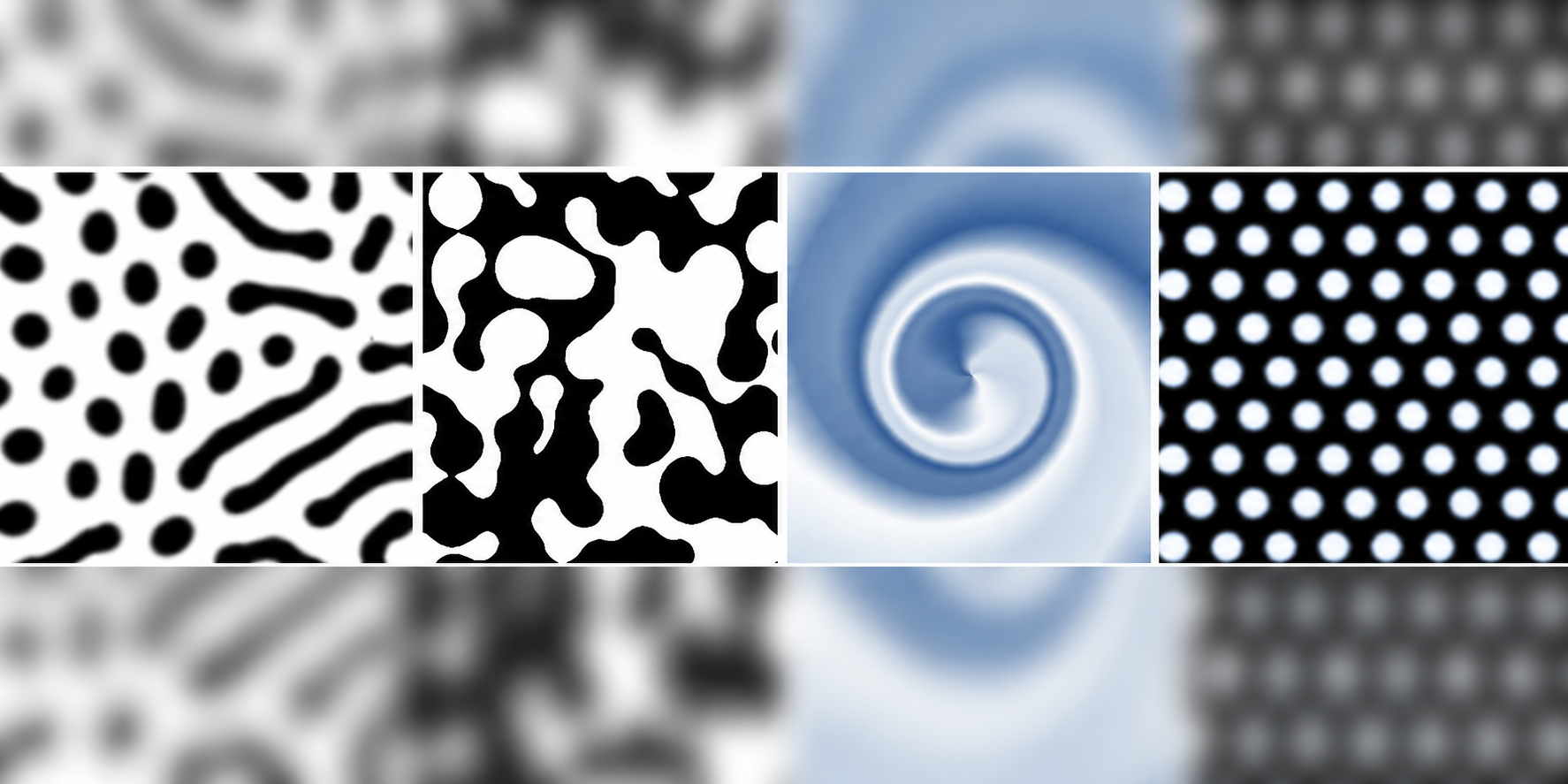
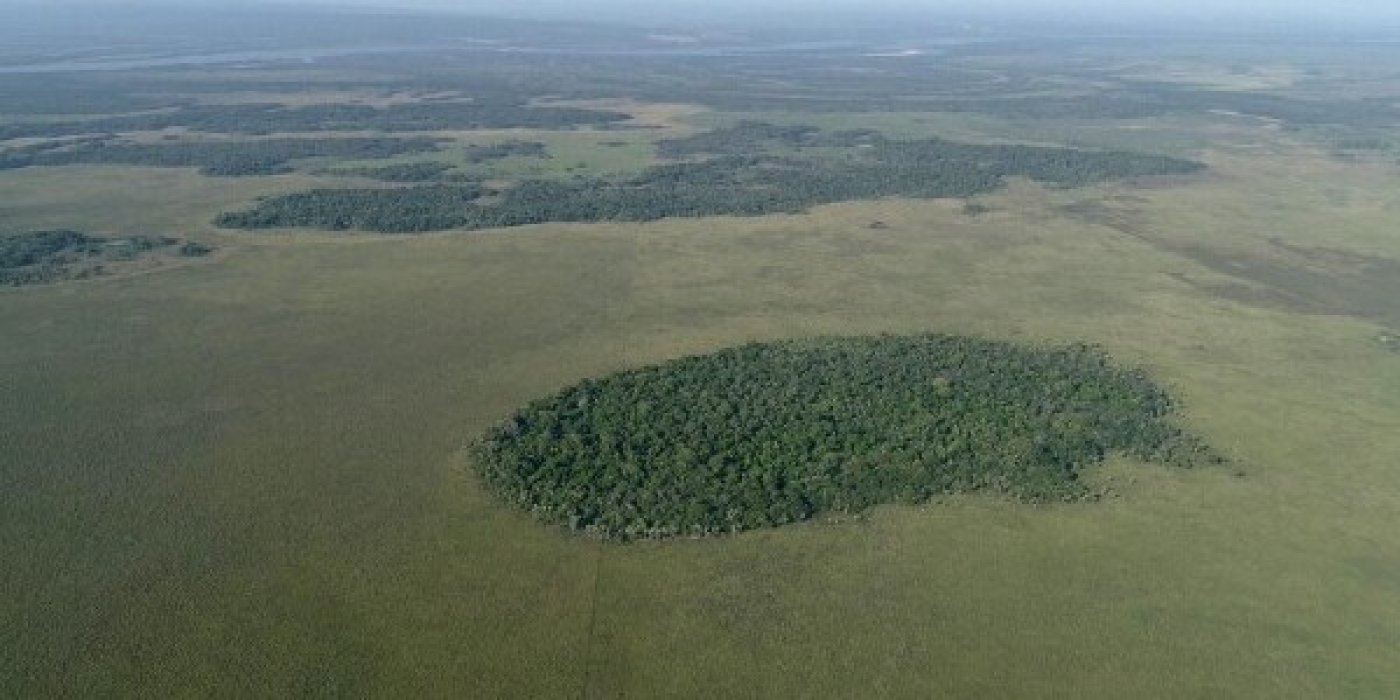
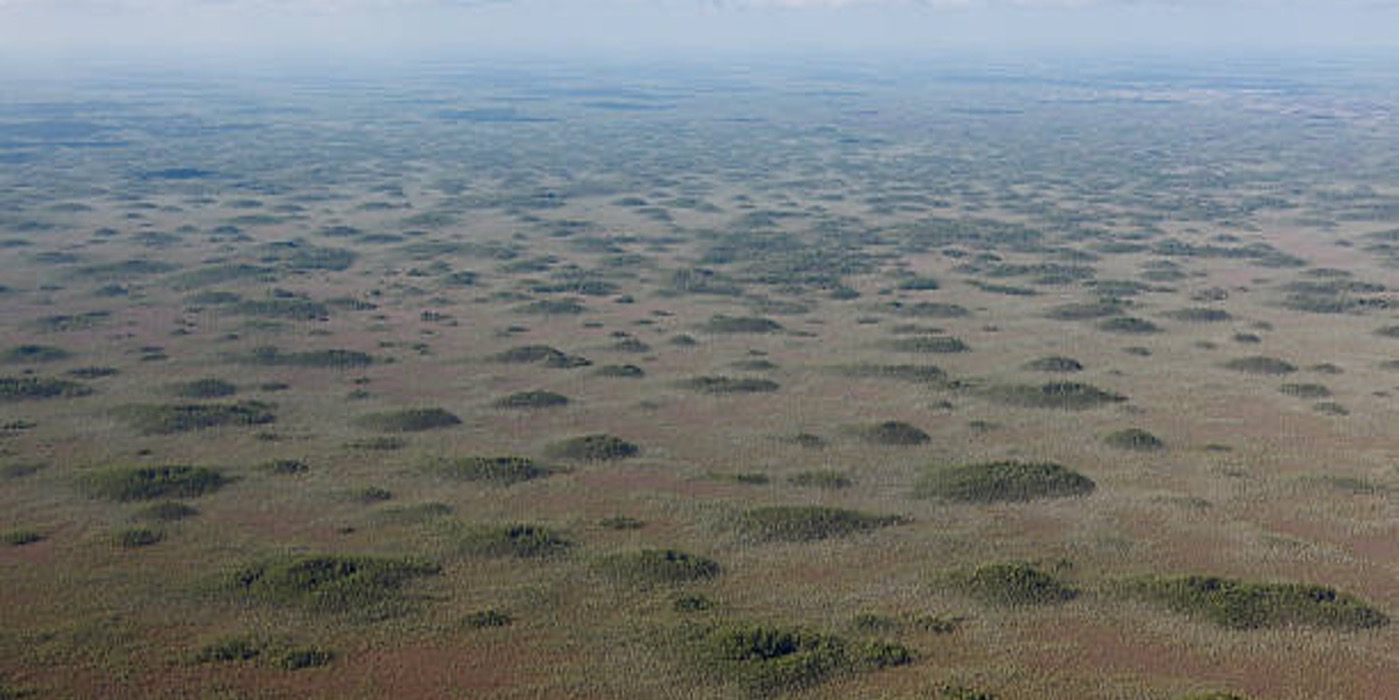
We are a theoretical ecology research group in the Department of Environmental Science and Policy at the University of California Davis.
We study nonlinear, spatially extended systems to understand how complex spatial organization emerges from simple local interactions, and how emergent spatial structure governs the behavior of ecological systems.
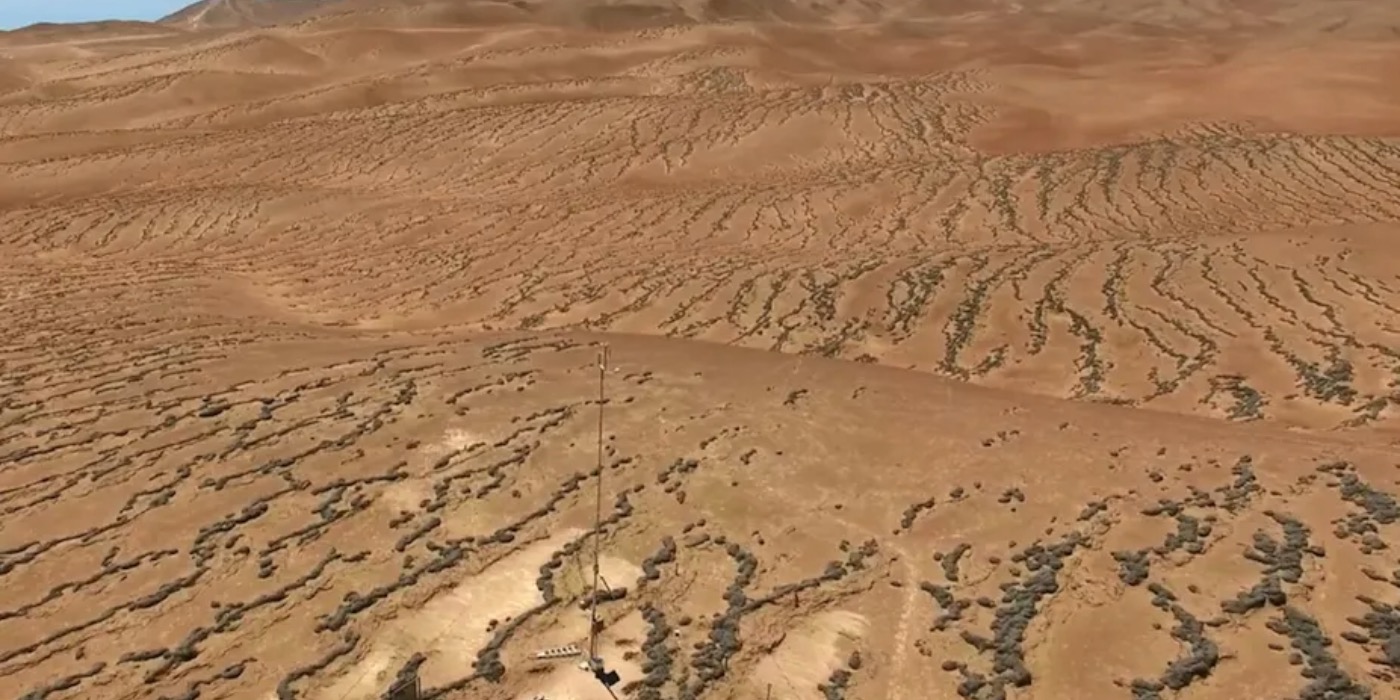
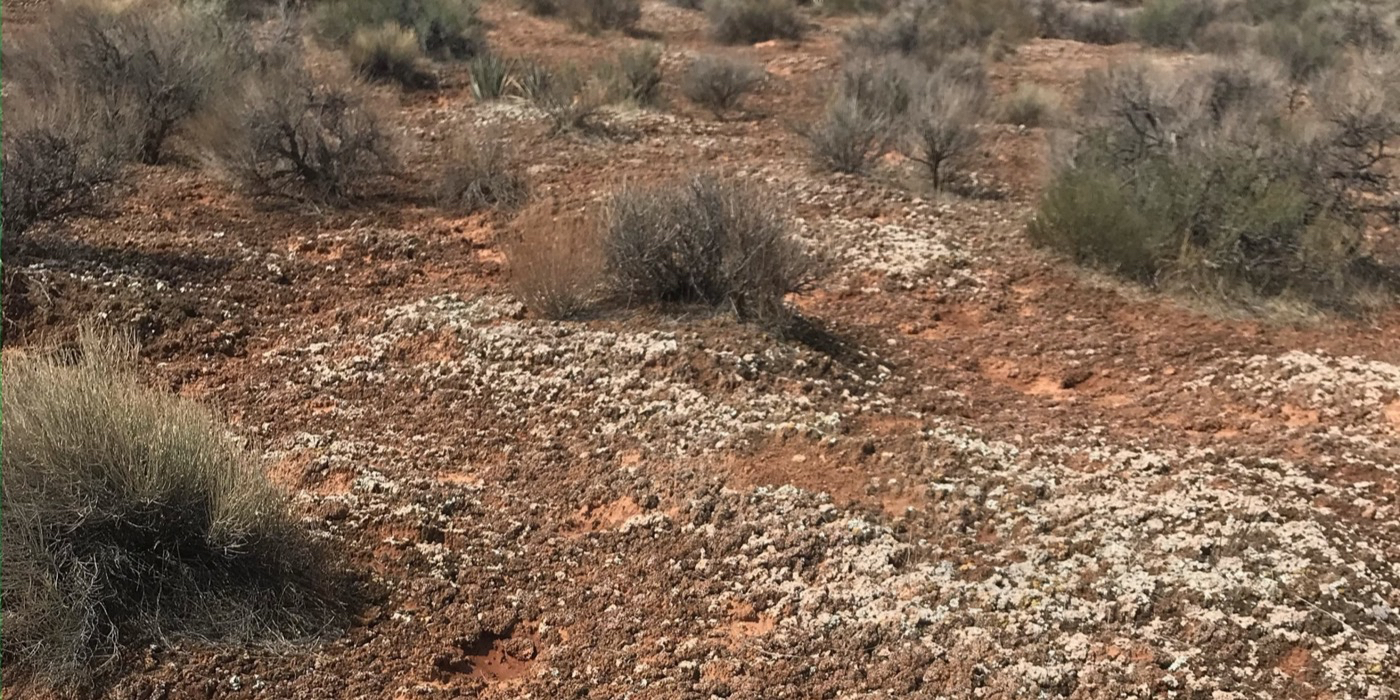
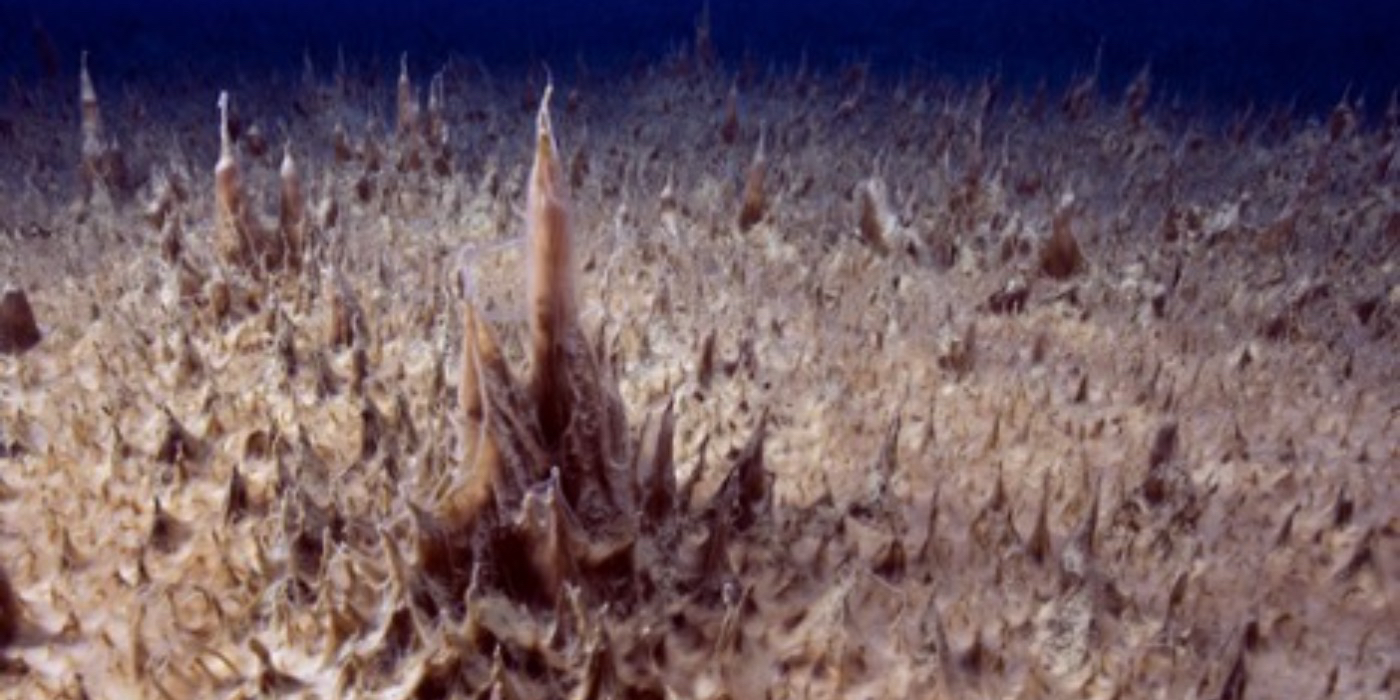
Many of nature’s most remarkable spatial patterns emerge from simple local interactions. We study nonlinear, spatially extended systems to understand how spatial organization emerges and how it influences ecosystem resilience, critical transitions, and responses to environmental change. Although our study systems range from dryland vegetation and Antarctic microbial communities to coral reefs and biogeomorphic landscapes, they are united by common mathematical structures. Our goal is to uncover general principles governing the emergence and consequences of spatial organization across environmental systems.
Our approach. We combine nonlinear dynamical systems, mathematical modeling, physics-informed machine learning, remote sensing, and field observations to develop mechanistic understanding of spatial organization in nature. Learn more about our Research.
We enjoy working with students who are inspired by big questions and mathematical thinking. If you aspire to do significant work and enjoy forging novel connections across disciplines, we would love to hear from you (more info)!
News
Xiaoli and collaborators received a DOE Genesis Mission award to develop process-informed AI models for predicting water availability in the Colorado River Basin (read UC Davis News).
Our paper led by Junna on climate-driven species range shifts was published in Science! The work was featured by Associated Press, Reuters, and over 500 media outlets worldwide, including BBC, France 24, CBS, and POLITICO.
Congratulations to Malavika on receiving the Dean’s Circle Fellowship!
Congrats to Dr. Dan! He graduated with a Ph.D. in Hydrological Sciences and is heading to join Dr. Bettina Weber’s lab as a postdoc.
Our paper on coupled-evolution of landscapes and plants has been published in Trends in Ecology & Evolution!
Xiaoli and Dawn Sumner received the NSF grant to study the effects of environmental change on microbial self-organized patterns in Antarctic Lakes.
Dan’s first dissertation chapter on spatial self-organization at the community level is published in Ecosystems!
Xiaoli is promoted to associate professor with tenure!
Our new paper on climate impacts on global values of natural capital was published in Nature.